

TikTok QR Code Generator
Create a QR code for a TikTok profile, video, or any other public TikTok link so people can reach your content without typing a username or searching manually. It works well on packaging, menus, storefronts, presentations, badges, posters, and other offline or static materials.
You can generate a free static TikTok QR code, customize its look, and download it in popular formats. After signing up, you can also create dynamic QR codes, update the destination without reprinting the code, and review scan analytics.
A QR code shortens the path from first interest to viewing your TikTok content. Instead of searching for a profile by hand, a person scans the code and lands directly on the right video or TikTok page.
What a TikTok QR code is and when to use it
A TikTok QR code opens a TikTok profile, a specific video, or another public TikTok destination after it is scanned. The code stores a regular link, but the QR format makes that link easier to use in places where typing or searching would slow people down.
The main value is fewer steps between noticing your brand and watching the content. Rather than entering a username or using TikTok search, the user scans the code with a phone and goes straight to the intended page.
This format is especially useful for offline and static touchpoints where a normal link cannot be clicked. You can place the QR code on product packaging, menus, storefronts, presentations, badges, tickets, posters, or point-of-sale materials.
For simple, permanent links, a static QR code is usually enough. If you need to change the destination after printing or track scan activity, a dynamic QR code is the more practical choice.
How to create a QR code for TikTok
Step 1. Prepare your TikTok link
First decide where the QR code should lead: a TikTok profile, a single video, or another public TikTok resource. Use the full URL whenever possible to avoid mistakes with usernames or similar accounts.
Step 2. Paste the link into the generator
Paste the TikTok link into the QR code generator and create a code that points to the selected content. After scanning, the user can open the TikTok profile or video in the app or browser, depending on the device and settings.
Step 3. Customize the QR code design
Adjust the colors, style, or other visual settings if you want the QR code to fit your brand or the material where it will appear.
Step 4. Test the QR code before using it
Before printing or publishing, test the QR code on several devices. Make sure the link opens the correct TikTok content and matches what the user expects to see.
Step 5. Update the link and analyze scans
If you use a dynamic QR code, you can change the link without replacing the code itself. This is useful for campaigns, seasonal promotions, and materials that have already been printed.
Practical ways to use a TikTok QR code
QR code on product packaging
A QR code on packaging can lead to a TikTok product demo, quick review, tutorial, or real-use example. It extends the customer experience after purchase and moves people toward your brand's video content.
QR code on a menu or table display
Restaurants and cafes can use the code to share TikTok videos with preparation clips, dish presentations, or venue content. It works well when the customer is already engaged with the menu, the table setting, or the atmosphere.
QR code on a storefront or at a physical location
A QR code on a storefront, reception desk, or waiting area lets people discover your TikTok content without searching for the profile manually. This is especially useful for local brands, studios, salons, and service businesses.
QR code on a badge, business card, or presentation
At conferences, meetings, and talks, the code can point to a TikTok profile, work examples, or topic-specific videos. It makes it easier for people to continue the interaction after an introduction or presentation.
QR code for a specific TikTok video
Sometimes it is better to send people to one video instead of the full profile. This works for launches, seasonal campaigns, individual products, or promotions where the first video needs to carry a specific message.
QR code in PDFs, presentations, and static digital materials
You can add the QR code to PDFs, slides, catalogs, and other materials where long links are awkward. The user scans the code with a phone and reaches the TikTok content without copying a URL.
Marketing tips: how to get more scans
Make it clear what opens after the scan
A QR code by itself rarely gives people enough reason to scan. They should immediately understand what they will get: a TikTok profile, a specific video, behind-the-scenes content, a product-making process, or content from an event.
Add a short explanation or CTA next to the QR code so the action feels specific. The clearer the reason to scan, the more likely someone is to use the code.
Choose the destination based on context
Sending every scan to the main TikTok profile is not always the strongest option. If the QR code sits next to a specific product, event, or campaign, it is often better to lead people straight to the relevant video.
A profile link works better for long-term materials and general brand discovery. Individual videos are stronger for launches, presentations, promotions, or any situation where the first impression needs to be more controlled.
Place the QR code where interest already exists
QR codes work best when the person already has a reason to care. That moment might happen on packaging after a purchase, on a menu, at an event stand, at the end of a presentation, or near a storefront entrance.
In these situations, scanning feels like a natural next step instead of a random action. That is why placement context can affect scan volume as much as the visual design of the QR code.
Compare different placements
The same QR code can perform differently depending on where it appears, what text sits next to it, and what content it opens. What works on packaging may generate fewer scans in a presentation or on a poster.
With dynamic QR codes, you can review scan statistics and compare how different scenarios perform. This helps you refine placement over time and understand which touchpoints actually bring people to TikTok.
Technical details and common mistakes
A TikTok QR code works through a regular link, so the user needs an internet connection to open the content. After scanning, TikTok may open in the app or in a browser depending on the device, user settings, and whether the TikTok app is installed.
Before using the QR code, check that the link leads to the exact content you want people to see. If the profile is private or the video is unavailable to new viewers, the scan may not deliver the expected result.
Avoid making the QR code too small or overcomplicating the design. After customization, test it on several devices and make sure it scans reliably on both screens and printed materials.
For permanent links, a static QR code is usually enough. If you plan to update the destination, use the code in campaigns, or analyze scans, a dynamic format is more practical.
Frequently Asked Questions
How is a TikTok QR code different from a regular link?
A QR code makes TikTok content easier to open in places where a regular link is inconvenient. The user does not need to type a URL or search for the profile in TikTok; scanning the code with a phone is enough.
Can I change the link after creating the QR code?
Yes, but it depends on the QR code type. A static QR code cannot be edited after creation. With dynamic QR codes, you can update the destination after signing up without replacing the QR code itself.
Can I create a QR code for a single TikTok video?
Yes. You can create a QR code for a TikTok profile, a specific video, or another public TikTok link. This is useful for campaigns, presentations, launches, and promotional materials.
Where can I use a TikTok QR code?
You can place the QR code on packaging, menus, storefronts, presentations, badges, posters, printed materials, or digital content where long links are not practical.
Will TikTok open in the app after scanning?
After scanning, TikTok may open in the app or in a browser depending on the device, the user's settings, and whether the TikTok app is installed.
📘 Useful articles from our blog
Step-by-step instructions with examples. How to properly set up social QR codes for effective promotion on social media.
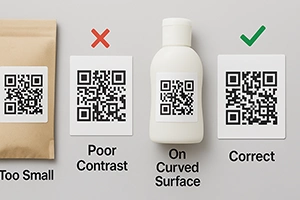
Contrast, design, format, testing — what can undermine the effectiveness of even the best idea.

Brand colors, logos, fonts — how to create not just a QR, but a visually matched brand element.