YouTube QR Code Generator
Turn any YouTube video, channel, or playlist link into a QR code that takes people straight to the content, with no manual search. Use it to move audiences from print materials, packaging, presentations, or events directly to the video that explains your product, proves the result, or introduces your brand. Customize the design, keep the destination editable with a dynamic link, and track scan activity.
What a YouTube QR code is
A YouTube QR code is a QR code that points to a specific YouTube destination: a single video, a channel, or a playlist. After scanning, the viewer opens that content in the YouTube app or a browser, depending on the device, settings, and how the link is handled. It is not a separate QR code standard; it is a practical way to turn a YouTube URL into a scannable action.
Its main value is precision: one scan sends people to the exact content you want them to see. When someone notices a poster, product box, counter display, slide, or event handout, typing a long URL or searching by title creates friction. A QR code removes that guesswork and opens one clear destination: the video, channel, or playlist you selected.
For businesses and video creators, that matters because YouTube often carries the explanation, proof, or next step in the customer journey. A video can show the product in use, a playlist can guide someone through a learning sequence, and a channel can open the full content library. The QR code makes that material available right when interest appears, without asking the user to find the right path on their own.
A plain link works well when people can click it. On physical media, at an event, on packaging, in print, or on a second screen, that same link adds work: the user has to copy the URL, open a browser, avoid mistakes, and stay motivated. A YouTube QR code removes most of that friction and helps turn a moment of interest into a view, a channel visit, or a full playlist session.
Video, channel, or playlist: which destination fits best
A QR code for a YouTube video is the right choice when one specific piece of content needs to be seen. It might be a product demo, explainer, event recording, case study, tutorial, or short introduction to a service. This format works best when the outcome depends on the user watching that exact video, not simply landing on your channel page.
A QR code for a YouTube channel is better when the goal is to introduce the audience to your broader content and make subscribing easy. Instead of seeing one video, users get the wider picture: topics, collections, recent uploads, and your overall expertise. It is a natural fit for creators, specialists, local brands, and companies building a long-term video presence.
A QR code for a YouTube playlist makes sense when the content is meant to be consumed in sequence: onboarding steps, training lessons, session recordings, or a review series. For the viewer, it feels more organized than several separate links; for you, it keeps attention on the complete set of materials.
Practical ways to use it
Product demo on packaging or printed materials
If a product needs to be shown in action, the QR code can open a video about setup, contents, results, or key features. The user does not have to search for the right clip; they reach it while they are already looking at the product or offer. If the video changes later, a dynamic code lets you update the destination without reprinting the QR code.
Post-purchase tutorial playlist for customers
After buying a product or activating a service, customers often need short answers: how to start, what to configure, and which mistakes to avoid. A YouTube playlist QR code can open a guided set of tutorials in the right order instead of a scattered set of links. For the company, it creates a more predictable first experience and reduces repeated support questions.
Event access to a live stream, replay, or recap video
At events, the same QR code can play different roles: before launch it can point to an announcement or scheduled stream, during the event to the live broadcast, and afterward to the recording or recap. A dynamic QR code is especially useful here because the destination changes as the event lifecycle moves forward. One code can support communication before, during, and after the event.
Jumping to a specific moment in a long video
Long videos do not always need to open from the beginning. If the most relevant segment starts at a specific point, the QR code can use a timestamped link. This is helpful for webinar recordings, presentations, talks, and technical explainers where the viewer should land on the exact section that matters.
Video case study in a proposal or presentation
In service businesses, results are often easier to show than to describe. A QR code in a deck, proposal, or meeting handout can lead to a video case study with the process, context, and final outcome. If your case studies change over time, a dynamic code lets you point the same printed asset to a fresher example.
A channel as the next step after an offline interaction
After a talk, consultation, workshop, or meeting, people may want more content but may not search for the channel manually. A channel QR code gives them a fast route to the video library and helps turn one-time attention into ongoing contact. Use this when the goal is not a single view, but a stronger introduction to the creator or brand.
Key advantages of a YouTube QR code
A direct path to the right YouTube destination
The QR code sends users exactly where you want them to go: to a video, channel, or playlist. That matters because manual YouTube search does not guarantee the right result and can send people toward similar content instead. This precision is especially valuable for demos, training materials, events, and campaigns where one video or one series is the point.
Support for videos, channels, and playlists
YouTube use cases differ, so it helps to choose the link type that matches the job. Sales and explanation often need one specific video, audience growth points to a channel, and learning flows or content series work better as playlists. The QR code supports these paths and lets you match the destination to the user action you expect.
Editable destination without replacing the code
In YouTube campaigns, the destination can change more often than the printed materials carrying the QR code. Before an event you may need a scheduled stream; afterward, a replay. A campaign may begin with a promo video and later move to an onboarding playlist. A channel URL can change, or the brand may update the flagship video. A dynamic QR code lets you change the final link without generating a new code. This reduces the risk of outdated QR codes and makes longer-running campaigns easier to manage.
Scan analytics for measuring placements
A scan is not the same as a video view, but it is an important micro-conversion: someone noticed the code and took action. Scan analytics help compare which placements drive more movement toward your YouTube content. Review scan data together with YouTube metrics to understand the wider user journey.
Design customization that supports the expected action
QR code design is not only about appearance. In a YouTube scenario, it can immediately signal that scanning will open a video, channel, or playlist. You can align the code with your brand, place a clear call to action beside it, and make it part of the campaign's visual system. When users understand what they will get after scanning, they are more likely to interact.
More control over the offline-to-video journey
YouTube links usually live in digital channels, but interest in them often starts offline. A person may see a product in a store, listen to a speaker on stage, receive a meeting handout, or read information at a booth. The QR code creates a controlled bridge between those moments and your video content. For a business, it means the next step does not depend on the user's memory; the right direction is available immediately.
How it works: step-by-step creation
1. Choose where the QR code should lead
Start by deciding what should open after the scan: a video, a channel, or a playlist. Choose a video when you need to explain one product or show one case study. Use a channel or playlist when the goal is subscribing, browsing more content, or following a series.
2. Copy the full YouTube URL
Use the full URL for the YouTube destination you want to share. For a video that should start at a specific moment, keep the timestamp in the link; for a playlist, make sure the address opens the playlist itself. For a channel, use a public-facing URL that users can open without access to internal management pages.
3. Paste the link into the generator
Paste the URL into the YouTube QR code generator field. Check that it is not just a channel name, a partial address, or an internal service link that was not meant for the audience. If the code will be used in a public campaign, confirm that the content is accessible to the intended users.
4. Set the code type, design, and label
Choose a static or dynamic format based on the use case. A static code fits a stable link, while a dynamic code is better for campaigns, events, playlists, channels, and any situation where the URL may change. Then customize the design and add a short label that explains the action: watch the video, open the channel, or view the playlist.
5. Save the QR code and track performance
After creating the code, test whether it opens the right YouTube destination and whether the scan result matches the expectation set by your label or design. If you use a dynamic code, you can update the final link after launch. Scan analytics help evaluate which placements and scenarios bring people to your video content.
Technical details, limitations, and common mistakes
A YouTube QR code works like a QR code with a web link, so the result after scanning depends not only on the code but also on the destination URL, device, browser, app settings, and content availability. In most modern scenarios, the user will open YouTube in the app or a browser, but identical behavior across every device cannot be guaranteed. That is why it is more accurate to promise quick access to the YouTube destination, not a guaranteed app launch. This sets clearer expectations and reduces confusion.
Content visibility is another important detail. A public video or public playlist is the safest choice for a mass-distributed QR code because a broad audience can open it. An unlisted link can also work, but remember that anyone with the URL can view and forward it. Private content is a poor fit for public QR codes because access is limited to invited users under the right sign-in conditions.
Another common mistake is creating a static QR code for a link that may change. With YouTube, that risk is real: a video may be replaced, a playlist updated, a live stream converted into a replay, or a channel may change its URL or branding. Once the QR code is already printed or placed, a wrong link becomes expensive. A dynamic QR code lets you update the final destination without losing the code already in circulation.
It is also important not to confuse a scan with a view. Scan analytics show interaction with the QR code, but they do not replace data about actual behavior on YouTube. To evaluate results properly, look at the wider picture: scan count, which placements produced more visits, and how that compares with views or other YouTube-side actions.
Create a dynamic YouTube QR code
and keep control of the link after launch.
Frequently asked questions about YouTube QR codes
Find clear answers about creating and using QR codes for YouTube videos, channels, and playlists.
Can I create a QR code for a YouTube video, channel, and playlist?
Yes. A QR code can point to a single YouTube video, a channel, or a playlist. Use a video for a focused message or demo, a channel for a broader content introduction, and a playlist for a sequence of materials. In the generator, just paste the full link to the destination you need.
Does the user need the YouTube app for the QR code to work?
No. The app does not have to be installed. Depending on the device, settings, and scanning method, the link may open in the YouTube app or in a browser. Both outcomes are normal for YouTube links.
Is an internet connection required to watch YouTube through a QR code?
Yes. Opening and watching YouTube content requires an internet connection. The camera can recognize the QR code locally, but the video, channel, or playlist loads from the web. Without internet access, the expected viewing experience will not happen.
Can I make a QR code for a private or unlisted video?
A QR code can work for an unlisted video, but anyone with the link can open it and share it further. Private videos are not well suited to public QR codes because only users with the right permissions can access them. For a broad audience, use a public destination or a deliberately chosen unlisted setup.
Can the QR code open a specific moment instead of the start of the video?
Yes. If you have a timestamped YouTube link, you can use it to create the QR code. This is useful for long videos, event recordings, technical explainers, presentations, or any content where one section matters most. In this case, do not remove the parameters that control the start time. After scanning, the user should land directly on the relevant part of the video.
What is better for subscriptions: a QR code to a video or to a channel?
If the main goal is to bring someone to the full content library and make subscribing easy, send the QR code to the channel. If your priority is one strong video, demo, or case study, link directly to that video. Both scenarios can introduce the brand, but they work differently. Choose based on the action you expect after the scan.
Can I track the performance of a YouTube QR code?
QR code scans can be tracked in analytics, which helps you understand where and when people interact with the code. At the same time, a scan is not the same as a view, subscription, or other YouTube-side action. For a fuller performance picture, separate scan-level analytics from YouTube content metrics. This gives a more honest view of campaign effectiveness.
Why does the QR code sometimes open a browser instead of the YouTube app?
Opening behavior depends on the operating system, device settings, browser, app, and scanning method. One user may land in the app, while another opens the same link in a browser. This does not mean the QR code was created incorrectly.
📘 Useful articles from our blog
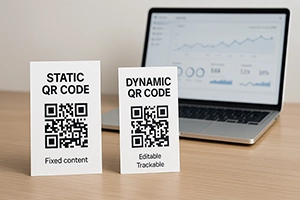
Explaining the advantages of dynamic codes: editing, analytics, security, and scalability for business.
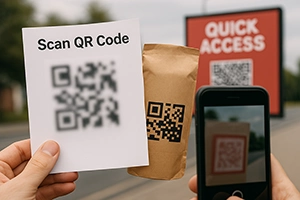
What doesn’t work in practice: code too small, unreadable code, lack of testing or instructions.
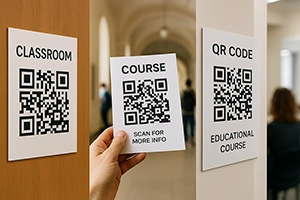
How educational institutions use QR codes for timetables, access to materials, surveys, and assessments.