LinkedIn QR Code Generator
Create a QR code that opens your LinkedIn profile or company page. After scanning, people land on the right page without typing your name, guessing between similar profiles, or asking for extra details. Use it at events, on business cards, resumes, slides, booths, and email signatures whenever you need a quick way to share your professional presence on LinkedIn.
What is a LinkedIn QR code?
A LinkedIn QR code is a scannable shortcut to a specific LinkedIn URL. In most cases, it points to a personal profile or a company page. Once scanned, it takes someone directly to the page where they can view your experience, brand presence, open roles, updates, or any other professional context you want to share.
The main value is simple: it removes the search step. People do not have to type your name, compare similar company pages, or double-check whether they opened the right profile. The code sends them straight to the intended destination, so a promising first contact does not get lost in small technical friction.
That matters in professional settings. After a conference, a quick conversation, a talk, or a resume review, someone may be interested but not ready to message you or connect immediately. A QR code gives them an easy next step: open your LinkedIn now and come back to the conversation when the timing is right.
The same format works for both personal branding and company communication. A specialist can point people to a profile that shows experience, credibility, and career history. A business can lead visitors to a company page to present the brand in a professional context, build trust, or support recruiting conversations.
The platform lets you make the QR code feel like part of your communication, not just a plain link in a square. You can adjust the design, add brand elements, pair it with a clear scan prompt, and track scan analytics. That helps you understand where the code actually performs: on a badge, booth, slide, business card, resume, or email signature.
Key benefits of a LinkedIn QR code
Less searching, more chances to continue the conversation
LinkedIn search can be messy: similar names, identical company names, old profiles, and pages that look almost the same. A QR code avoids that problem because it points to a specific URL, not a search result. Someone scans the code and opens the exact profile or company page you want them to see.
This is especially useful after a quick conversation, a presentation, an event introduction, or a resume review. In those moments, interest may be there, but there is rarely time for manual searching. The code keeps the momentum and gives people a direct route to follow up.
Use a profile or company page depending on your goal
A LinkedIn QR code can serve different goals. If you want to highlight a specific person's background, point it to a personal profile. If you need to introduce a business, employer brand, or team, send people to the company page instead.
That flexibility makes the same QR type useful in several settings. A speaker can place it on a slide so the audience can find their profile after the talk. A company can add it to a booth, deck, or candidate materials so people open the brand's LinkedIn page without searching.
The code can match your materials
A plain black-and-white QR code can look like a technical add-on placed into a layout at the last minute. In professional materials, that may reduce trust or simply fail to draw attention. When the code has a considered visual style, a clear label, and fits the surrounding design, it feels like a natural part of the message.
In the generator, you can customize the code's appearance, add a logo, choose a frame style, and place a short call to action nearby. For LinkedIn, that context matters because people should instantly understand that scanning will open a profile or company page. A clear prompt makes the action feel obvious and natural.
A dynamic QR code keeps the destination editable
LinkedIn links can change. You might update your profile URL, switch the destination page, or decide that a new campaign should send people to a company page instead of a personal profile. With a static QR code, older materials can start pointing to the wrong place.
A dynamic QR code gives you more control. The printed or shared code stays the same, while the final destination can be updated in the settings. That is useful for badges, booths, presentations, resumes, email signatures, and any material expected to stay in use beyond a few days.
Scan analytics show where the code performs
If the same QR code appears in several places, you need to know which placement is doing the work. For example, a code on the final slide of a presentation may get more scans than one on a business card. Or an event booth may bring more people to a company page than an email signature.
Scan statistics help reveal those differences. You can see which materials and contexts are most likely to make people open your LinkedIn page. From there, it becomes easier to improve the copy near the code, choose better placements, and plan the next campaign with more confidence.
Scanning leads to a clear, expected result
A LinkedIn QR code does not automatically add someone as a connection or guarantee an immediate follow. Its job is to open the right LinkedIn resource; the next action is still up to the visitor. They can review the page, follow it, send a connection request, or return to it later.
That is why the code should sit next to short, specific copy. For example: "Open my LinkedIn profile", "Visit our company page", or "Scan to find us on LinkedIn". When people know what they will get after scanning, they are more likely to take the action.
Which LinkedIn links the generator accepts
The generator expects a full LinkedIn URL, not just a name, company title, or short handle. The safest option is to paste the address copied directly from the profile or company page you want to share. That way, the QR code leads to the intended destination instead of sending visitors to search, the feed, or an unrelated page.
Personal profiles usually use a linkedin.com/in/... address. Company pages usually use a linkedin.com/company/... address. The generator works best with these direct URLs because they clearly define which LinkedIn resource should open after the scan.
Other LinkedIn URLs should only be used when they lead to a specific public page that genuinely makes sense behind a QR code. Links to the feed, search pages, internal navigation, or temporary service pages can produce a confusing result. If the address looks too vague, the generator can prompt you to use a direct profile or company page link instead.
During creation, the generator checks the link for common issues. It can verify whether the URL belongs to LinkedIn, follows a valid structure, and does not contain spaces, an incorrect domain, or obvious extra characters. This helps catch problems before you save the QR code and place it on your materials.
It is also worth checking the short public part of a profile URL. LinkedIn has its own rules for public profile addresses: they should not include spaces, unnecessary special characters, or the word LinkedIn. The generator follows that logic so it can warn you about an address that may behave incorrectly or look different than expected.
If a copied link includes extra tracking or technical parameters, the generator can help keep the final URL cleaner. This often happens when the address is copied after moving around inside LinkedIn or through a share button rather than directly from the page itself. The result is a QR code that points to a clear, stable resource instead of an accidental service URL.
After scanning, LinkedIn may open in a browser or in the app. That depends on the device, browser, operating system, settings, and whether the LinkedIn app is installed. So it is more accurate to say that the QR code opens the intended LinkedIn resource, not that it always opens the app.
You should also check the visibility of the profile or page. A QR code can point to the correct link, but if the resource has limited visibility, visitors may see less information than you expect. Before launching, open the page as an outside visitor would and make sure it fits your use case.
For long-running materials, a dynamic QR code is usually the better choice. If the LinkedIn link changes, a static code can become outdated. A dynamic code lets you update the final destination without replacing the QR code already used on badges, booths, presentations, resumes, or other prepared materials.
Frequently Asked Questions
What is a LinkedIn QR code?
It is a QR code that opens your LinkedIn profile or company page. Someone scans it and lands on the right professional page without searching manually.
Can I create a QR code for a LinkedIn company page?
Yes. Paste the direct URL of the company page, and the QR code will open that page after scanning.
Do I need the full URL, or is a username enough?
Use the full LinkedIn profile or company page URL. It reduces the risk of sending people to the wrong destination or having the system interpret the resource incorrectly.
Will the profile open in the LinkedIn app?
It may open in the app or in a browser. The result depends on the device, settings, and whether the LinkedIn app is installed.
Does the QR code work without internet access?
The code can be scanned, but the LinkedIn page will not load without internet access. A connection is required to view the profile or company page.
Can I change the link after creating the QR code?
Yes, if you create a dynamic QR code. You can update the destination in the settings without changing the QR code already used in your materials.
Is a LinkedIn QR code useful on a business card?
Yes, it is one of the most practical uses. A QR code on a business card lets people open your profile or company page without typing a link.
Can I add a LinkedIn QR code to a resume?
Yes. It helps a recruiter open your LinkedIn profile quickly and see more professional context than a resume can usually include.
Does the QR code automatically add someone as a LinkedIn connection?
No. The QR code only opens the profile or page. The visitor decides what to do next: review the information, follow the page, or send a connection request.
When should I use a dynamic LinkedIn QR code?
Choose a dynamic code if the link may change or if you want scan statistics. It is useful for events, booths, presentations, resumes, and long-term materials.
📘 Useful articles from our blog
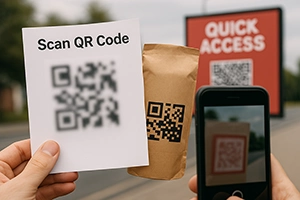
What doesn’t work in practice: code too small, unreadable code, lack of testing or instructions.
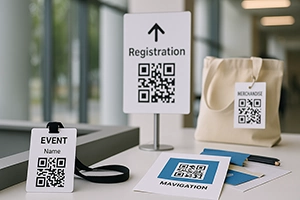
How to use QR codes at conferences, exhibitions, and festivals to optimize visitor interaction.
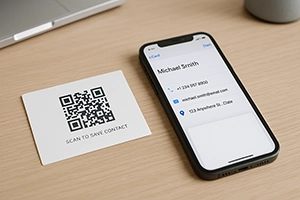
What is a QR business card, how to create one, add social networks, a logo, and your data — an example of a new-generation digital business card.