Dynamic QR Codes: Update the Destination, Not the Printed Asset
Offline campaigns are usually treated as fixed the moment a design goes to print. Dynamic QR codes break that limitation by separating the printed code from the final destination, so the landing page can still be changed after flyers, packaging, or billboards are already in use.
For brands, agencies, and marketing teams, that means fewer costly reprints, clearer scan data, and better control over every physical touchpoint. A dynamic code turns offline placements into something you can optimize almost like a digital campaign.
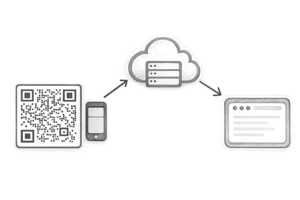
How Redirect-Based QR Routing Works
The difference becomes clear once you compare a dynamic QR code with a static one at the data level.
In a static format, the final URL is encoded directly into the pattern itself. The longer that URL is, especially if it includes UTM parameters, the denser the matrix becomes. If the website moves or the page changes, the printed code still points to the old address.
A dynamic code uses a routing layer instead. The pattern contains a short service URL owned by the QR platform rather than the final destination on your site.
When someone scans it, the request passes through that redirect server for a fraction of a second and is then forwarded to the page you choose. Because the redirect is controlled from your dashboard, you can change the destination URL at any time while the printed code on the card, label, or banner stays exactly the same.
Why Dynamic QR Codes Matter for Marketing and Operations
Dynamic QR codes do more than add convenience. They reduce operational friction and make printed campaigns easier to justify with data.
Safer Updates After Print
If a link is wrong in a print run of 50,000 magazines, a static code turns that mistake into a production problem. With a dynamic code, the fix usually takes minutes in the dashboard. Packaging, posters, and outdoor ads can keep working without being reprinted.
Measured Response Instead of Guesswork
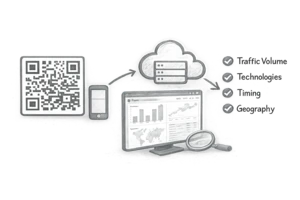
Traditional print is hard to measure. A dynamic redirect adds an observable layer, so each scan becomes part of a reporting dashboard with metrics such as:
- Traffic volume: total scans and unique scans.
- Geography: the countries and cities where scans happen, useful for local campaigns.
- Technology: device categories, operating systems, and browser context.
- Timing: peaks by hour and day, which help you understand when attention is highest. You can strengthen that picture further by adding UTM tags to the final URL and passing campaign data into Google Analytics 4 or your CRM.
Cleaner Patterns and Easier Scanning
Because the code stores only a short service link, the visual pattern stays simpler than one built from a long final URL. That usually improves scan stability on small labels, large-format placements viewed from a distance, and real-world situations with motion or uneven lighting.
Lower Waste and Better Resource Use
Fewer broken links and fewer outdated materials mean fewer emergency reprints. That cuts printing and logistics costs while also reducing unnecessary paper waste.
Control Layers Beyond a Simple Redirect
Redirect logic can do more than open a page. In a dynamic setup, the code can follow rules that shape how access works in different situations:
- Time-based availability. Set an exact launch window and end date for a campaign. A code can lead to a Black Friday page for only three days and then switch automatically to an offer-ended page.
- Scan limits for gamified offers. Access can close automatically after a set number of scans, which works well for mechanics like "the first 50 customers get a discount."
- Password protection. Internal documents, B2B pricing, or private video materials can sit behind an intermediate password screen instead of opening directly.
- Smart routing with deep links and locale logic. One code can send iPhone users to the App Store, Android users to Google Play, Spanish-speaking visitors to a Spanish page, and English-speaking visitors to the global version.

Dynamic or Static: Which Format Fits the Job
Dynamic codes are powerful, but they are not the right default for every scenario. The choice depends on whether you need flexibility, tracking, and managed access, or full independence from a platform.
Choose a static code when:
You need to share guest Wi-Fi, save a vCard contact, or encode simple text that should remain available even without internet access. Static codes are self-contained, do not rely on subscriptions, and are not affected by a platform shutting down.
Choose a dynamic code when:
You print large packaging runs, pay for premium ad placements, update content regularly, or need a campaign that can be measured and defended with ROI data. Menus, agency portfolios, seasonal offers, and offline lead-generation campaigns are common examples.
Important limitation: a dynamic code needs an internet connection at the moment of scanning, and the account or service behind the redirect must remain active.
Practical Use Cases Across Industries
Dynamic QR codes solve different problems in different verticals, but the common theme is the same: a printed object becomes a managed digital entry point.
FMCG and packaging. A label can evolve with the product lifecycle. The same tea package might lead to hot drink recipes in winter, iced tea content in summer, and a warranty or feedback flow all year round, without redesigning the packaging.
Restaurants and hospitality. Digital menus are now standard in many venues. Instead of reprinting table inserts every time prices or availability change, the team keeps one QR code in place and simply uploads an updated menu file.
Events, conferences, and trade shows. A code on an attendee badge can change with the agenda: venue map in the morning, session schedule at noon, and feedback form or presentation deck after the event.
Retail and real estate. A large code on a storefront or property sign can keep generating action even when the physical location is closed. If a property is sold, the realtor can point the code to a similar listing instead of replacing the sign.
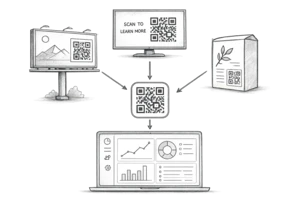
Manage Offline Touchpoints with More Precision
Physical interactions no longer need to sit outside your analytics stack. Dynamic QR codes connect print, outdoor media, packaging, and in-store surfaces to one controlled digital layer.
Create your first dynamic QR code in FbFast, match it to your brand guidelines, add UTM parameters, and test how much easier it is to manage content and scan data in real time.
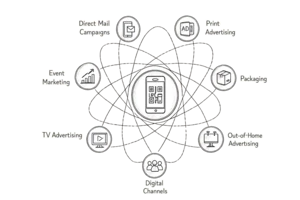
Which Metrics Actually Help You Evaluate Results
Data matters only when it helps you make decisions. Dynamic QR analytics is valuable not because it shows charts, but because it reveals what is working, where friction appears, and which placements deserve more budget.
Real Engagement, Not Just Theoretical Reach
You may know how many flyers were distributed, but unique scans tell you how many people actually paused and acted. If distribution is high and scans stay low, the problem is usually the call to action, the placement context, or both.
Comparing Locations and Formats
Rather than guessing whether a door poster, checkout sticker, or transit banner performed best, assign a separate code to each asset. The resulting traffic split makes underperforming formats visible and helps you reallocate next month's spend with less intuition and more evidence.
Understanding Context and Timing
Activity by hour and weekday exposes audience habits. If scans spike on Friday evenings or weekends, that may be the right moment for flash offers, limited promotions, or better-timed retargeting for people who already interacted with your offline media.
Connecting Print to ROI
Offline media becomes much easier to connect with the rest of your funnel. By adding UTM parameters to the final destination, you can follow the journey from a poster scan to a website purchase and calculate metrics such as CAC or CPL for a print campaign with more confidence.
Frequently Asked Questions
Will the QR code image change after I update the link?
No. The visible code, including its matrix and design styling, is generated once. You can update the final destination repeatedly while the printed QR image stays the same.
Does a dynamic QR code require internet access?
Yes. Because the scan passes through a redirect server before opening the final page, the user's device needs an internet connection.
What kind of data does scan analytics collect?
The platform records operational metrics such as total scans, unique scans, approximate geography, device or OS context, and scan timing. It does not collect personal details like names or phone numbers from the person scanning.
How long does a dynamic QR code stay active?
The redirect works as long as the underlying service and your active account remain available. You can also disable the code yourself or schedule when it should stop working.
Can an existing static QR code be turned into a dynamic one?
No. The two formats are built on different storage logic, so a static code cannot be converted after the fact. If future edits matter, the code needs to be created as dynamic from the start.
Can access behind the QR code be restricted?
Yes. You can add password protection so the scan opens an intermediate access screen first, and the final file or website is shown only after the correct password is entered.
What if my website moves to a new domain?
Your printed materials can stay in circulation. Update the destination in the generator dashboard, and the same codes on flyers, cards, or packaging will start sending visitors to the new domain.